Cricket is a sport full of show. Fans cherish quick bowling. They moreover adore huge hits. A six is one of the most energizing minutes. When a player hits the ball over the boundary without it bouncing, the swarm goes wild. Some sixes are exceptional. Tv and social media share them once more and once more.
These minutes are called the best sixes ever caught on camera in cricket history. In this blog, we see at a few of the most amazing sixes ever recorded. We celebrate incredible hits from all groups. We moreover incorporate effective strikes from T20 games.
You will examined almost the Longest six in cricket history 173 meters. We will moreover conversation around the Best sixes ever caught on camera in cricket history T20. Let’s begin.
What Makes a Six Special?
A six is extraordinary when it changes a amusement. It is uncommon when fans bounce to their feet. Some of the time a huge hit shocks everybody. You require idealize timing and unadulterated control.
Numerous sixes gotten to be noteworthy when somebody catches them on camera. These recordings offer assistance fans remember the moment.
Read Also: Top Viral Cricket Videos Trending on the Internet Today
The best sixes ever caught on camera in cricket T20 history incorporate awesome hits from players like Chris Gayle, AB de Villiers, and Glenn Maxwell. These players hit enormous, energizing shots.
The Longest Six in Cricket History: 173 Meters
One of the most talked-about minutes in cricket is the longest six in cricket history 173 meters. Shahid Afridi recorded this hit. He accomplished this in 2013 amid a residential coordinate. The ball cruised over the field and the boundary ropes with gigantic constrain.
The shot traveled an extraordinary 173 meters. Fans still observe this minute once more and once more. It is one of the longest hits ever recorded. The camera caught each detail. The picture of the ball flying tall and distant is unforgettable.
This shot made Afridi popular for his power-hitting. It too made a difference characterize what hard-hitting batsmen may do.
Power Hits from T20 Cricket
T20 cricket is full of enormous hits. Quick scoring is the key in this organize. That is why numerous of the best sixes ever caught on camera in cricket history T20 come from T20 matches.
In the Indian Premier League (IPL), players frequently go for gigantic hits. Chris Gayle is one of the greatest hitters in cricket. He once hit a six that traveled more than 130 meters. The swarm ejected in cheers. Somebody captured the minute on camera and shared it worldwide.
Another extraordinary case is AB de Villiers. In a T20 coordinate, he hit the ball to all parts of the ground. One extraordinary six came off his bat at lightning speed. Fans adored it. Numerous TV systems replayed the minute numerous times.
These shots appear why T20 cricket is so energizing. Each ball can turn the amusement around.
Historic Sixes with Huge Coordinate Impact
Some sixes are important since they made a difference win critical diversions. These are not effective hits. They are game-changing hits. One such minute came from Glenn Maxwell in a T20 worldwide.
The coordinate was tight. Maxwell hit three continuous sixes in the last over. The camera recorded each hit. Fans might not accept what they saw. Those hits fixed the win. These hits are frequently included in records of the best sixes ever caught on camera in cricket history t20.
Sixes That Stunned the World
Not conceivable to evacuate the intensifier. These hits happen in vital minutes. They ended up portion of cricket folklore. Fans keep in mind Yuvraj Singh for his six sixes in one over amid the 2007 T20 World Cup.
The camera captured each hit with accuracy. Fans observed the replays once more and once more. That over remains one of the most famous minutes in cricket.
You Must Also Like: Answered: Should India risk half-fit Bumrah at World Cup?
Sania Mirza moreover once hit a mid-air six off a quick bowler in a residential diversion. The ball appeared stuck in the discuss, but she associated cleanly, and the camera captured each moment of the flight. These minutes remind us why fans adore huge shots.
Amazing Sixes from World Cups
World Container matches bring additional fervor. Millions observe each six. ICC occasions captured a few extraordinary sixes.
In one Cricket World Container coordinate, a batsman hit a six so tall that watchers thought it might reach the stadium roof. The camera appeared the ball rising like a rocket some time recently landing over the boundary. This minute got to be portion of World Cup history.
Another World Container amusement saw a lower-order player hit a six that fixed a astonish win. The swarm went wild. The highlights replayed the minute all through the evening.
These minutes appear that sixes can be both effective and meaningful.
The Part of Cameras in Making Sixes Famous
Without cameras, numerous individuals would disregard extraordinary sixes. Tv changed cricket until the end of time. Cameras capture each detail. Moderate movement, numerous points, and replays offer assistance fans appreciate minutes again.
The best sixes ever caught on camera in T20 cricket history are frequently appeared in moderate movement. The swarm commotion, the bat swing, and the ball flight capture everything. This makes fans feel like they are in the stadium.
Social media moreover makes a difference. Individuals share minutes on Instagram, YouTube, and Twitter inside minutes. Fans all over observe and react.
Fans Share Sixes Online
The web has changed the way individuals observe cricket. Fans no longer hold up for TV highlights. They look online for recordings like “Longest six in cricket history 173 meters” or “Best sixes ever caught on camera in cricket history t20.” These looks make prevalent clips slant faster.
Many channels on YouTube transfer compilations. A few incorporate the greatest sixes of the year. Others center on memorable hits. Fans can observe numerous sixes in one video. This keeps fans energized and connected.
Recent Sixes That Went Viral
In later a long time, unused sixes have gone viral online. In a T20 alliance coordinate, a youthful batsman hit a six that traveled over 120 meters. The camera appeared the ball vanishing into the swarm. Fans seem not halt talking approximately that hit.
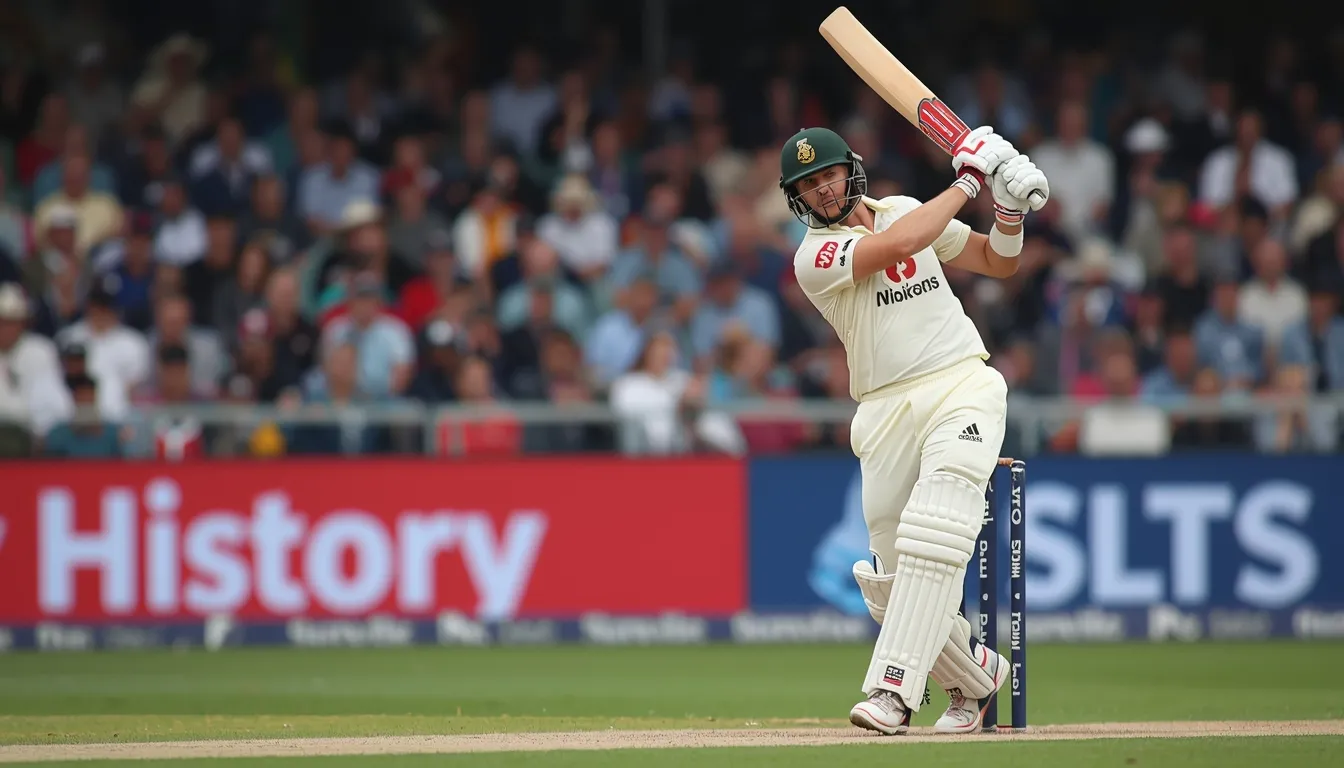
Another later shot came in a Test coordinate. Indeed in spite of the fact that these diversions are longer, sixes still matter. The batsman hit a tremendous six off a quick bowler. The sound of the bat assembly the ball was uproarious. Fans shared the clip with the hashtag “biggest hit!”
These later minutes appear that cricket still produces astounding hits.
Sixes from Women’s Cricket
Great sixes are not as it were in men’s cricket. Ladies players too hit effective shots. A few of the best sixes ever caught on camera in T20 cricket history come from women’s matches.
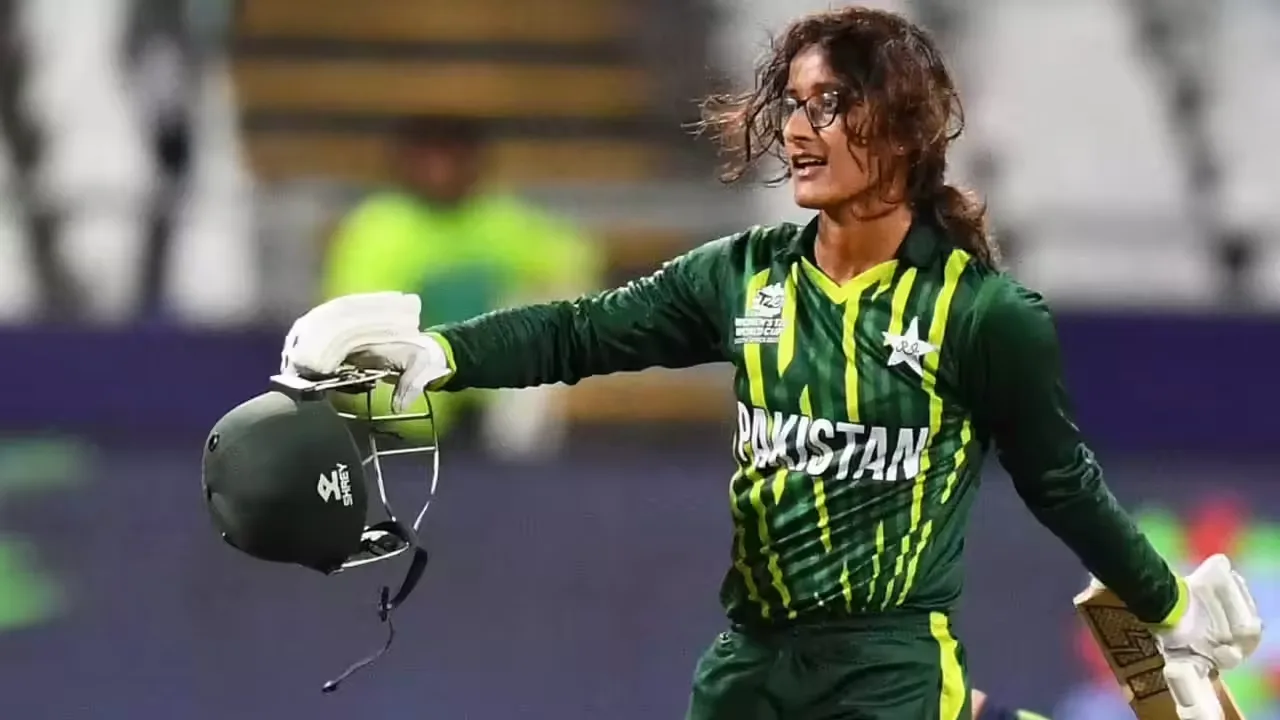
In a major women’s T20 amusement, a player hit a six that drew pants from the swarm. The point was culminate, and the camera captured the flying ball with shocking clarity. Women’s cricket is developing quick, and these enormous hits include to the excitement.
Why Fans Cherish Sixes?
Sixes energize fans since they are quick and effective. A six can alter a coordinate in one swing. It lifts the swarm. It powers bowlers to rethink. Some sixes gotten to be portion of cricket culture.
Individuals share them as memes. Motivational recordings utilize them. They remind fans of the bliss that cricket brings.
Conclusion
SIXES are one of the most exciting parts of cricket. The best sixes ever caught on camera in T20 cricket history appear control and timing. These hits make fans hop with delight. They bring highlights that individuals keep in mind forever.
The longest six in cricket history, 173 meters, stands as an unimaginable record. It appears what quality and timing can do. Other incredible hits, particularly in T20 matches, keep fans energized each day.
Big shots, memorable minutes, and energizing wraps up are all portion of cricket’s charm. Cameras offer assistance us remember these minutes. Recordings keep recollections lively. For fans, sixes are not runs — they are minutes in history.