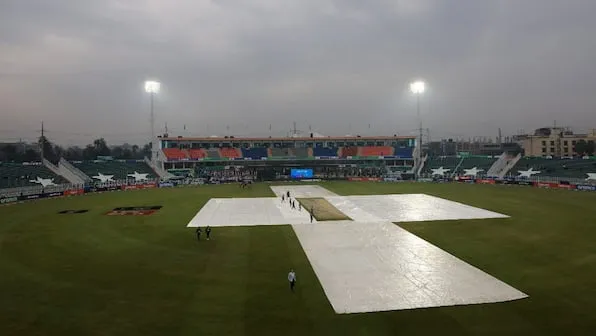
There’s no feeling quite like walking toward a stadium with rain in the air. You hear the buzz outside. Vendors are ready. Fans are hopeful. But everyone keeps glancing at the sky.
I have been there more times than I’d like to admit. Sitting in damp stands. Refreshing weather apps. Waiting for covers to come off. When a match gets abandoned, it’s not just disappointing.
It raises real questions, especially if you’ve paid for Test cricket tickets or traveled to watch the game live. Let’s break this down properly. Weather. Pitch behavior. And what actually happens to your ticket money when the rain wins.
Why Matches Get Abandoned More Often Than Fans Expect?
Most people assume rain alone causes abandonments. That’s only part of it. Cricket stops when:
-
Rain makes the outfield unsafe
-
The pitch becomes dangerous
-
Light levels drop too low
-
Excess moisture affects bounce
In Test cricket, umpires are extra cautious. Player safety comes first.
I’ve seen matches where rain stopped hours ago, but play never resumed because the pitch didn’t dry evenly. One bad landing spot is enough to call it off.
Latest Weather Patterns: What Usually Triggers Concern
You don’t need a storm to lose a day of cricket. Persistent drizzle is worse than heavy rain. Groundsmen can’t dry the surface properly. Covers stay on. Dampness creeps underneath.
Read Also: Breaking Cricket News: Latest Updates From Around the World
Humidity moreover plays a part. In coastal settings, indeed brief showers can keep conditions unplayable for long extends. From involvement, the most unsafe spans aren’t electrical storms.
They’re “intermittent showers throughout the day. That’s when fans should brace for delays or worse.
Pitch Report: Why It Matters More Than You Think?
Fans often focus on weather, but pitch condition decides everything. A pitch might look fine on TV. Here’s what umpires look for:
I once watched a Test where the sun came out, crowds cheered, and then play was abandoned anyway. One end of the pitch had absorbed too much water. Bowlers couldn’t land safely.
That was it.
Test Matches vs Limited-Overs: Big Difference
This matters if you’re buying cricket match tickets. In limited-overs games, officials push hard to get a result. Shortened matches. Revised targets. Late finishes. Test cricket doesn’t bend as easily.
If conditions aren’t right, play stops. No compromises. No reduced overs. That’s why Test matches lose full days more often. And that’s why fans buying Test tickets should always factor in weather risk.
What Happens If a Cricket Match Is Abandoned Due to Rain?
This is where confusion usually starts. An abandoned match means:
-
No result declared
-
No winner
-
No continuation later
In Tests, abandonment usually refers to a full day or entire match lost due to conditions. It doesn’t matter how many sessions were planned. If no official play happens on a given day, that day is considered abandoned.
For fans, the bigger question comes next.
Do You Get a Refund If a Cricket Match Is Abandoned?
Short answer: sometimes. But it depends. The question “Do you get a refund if a cricket match is abandoned?” doesn’t have one universal answer. Each board sets its own policy. Here’s how it usually works.
Test Cricket Tickets
-
Full refund if no play happens at all on that day
-
Partial refund if very limited overs are bowled
-
No refund if a minimum number of overs are completed
The “minimum overs” rule is key. Some boards count even one session as a full day. I’ve personally missed refunds by less than an hour of play. Frustrating, but common.
You Must Also Like: Big Transfers And Player Signings In Global Cricket Leagues
ODI and T20 Ticket Refund Rules
Limited-overs matches often have stricter policies. In many cases:
-
No refund once the match officially starts
-
No refund if a result is achieved
-
Partial refund only if no play happens at all
Always check terms before buying. I know fans who assumed refunds were automatic and learned the hard way.
Why Refund Policies Feel Unfair (But Exist)?
From a fan’s perspective, refund rules feel harsh. From an organizer’s view, they cover:
-
Stadium staffing
-
Security
-
Broadcasting costs
-
Operational expenses
Even a rain-affected day costs money to run.
That said, some boards are improving transparency. Clearer refund thresholds. Faster processing. Still, the burden often falls on the fan to read the fine print.
Practical Advice Before Buying Tickets
If you’re planning to buy Test cricket tickets, especially for venues known for unpredictable weather, here’s what experience has taught me.
Check Historical Weather: Look at past matches at the venue during that month. Patterns repeat.
Avoid Day 1 if Possible: Ironically, opening days get washed out more often due to unsettled conditions.
Choose Covered Stands: Sounds basic, but many people forget. It makes delays more bearable.
Buy From Official Platforms: Resale tickets often don’t qualify for refunds.
Read the Refund Policy Properly: Not the headline. The actual conditions.
How Grounds Try to Beat the Weather?
Modern stadiums do a lot to fight rain. You’ll often see:
Some grounds recover amazingly fast. Others struggle due to soil type or climate. I’ve watched one venue dry in 30 minutes, while another stayed damp for hours after similar rain. Ground quality matters.
Why Fans Still Turn Up Despite the Risk?
This is the part outsiders don’t get. Even with weather risk, fans show up. Because Test cricket offers something rare. Time. Drama. Atmosphere. Some of my favorite days at the ground involved delays.
Conversations with strangers. Shared frustration. Shared hope. You don’t get that watching from home.
When Abandonment Feels Inevitable
There’s a moment every fan recognizes. Covers stay on. Players disappear. Officials stop checking the pitch. The crowd slowly accepts it. That silence hits harder than rain.
At that point, the only thing fans want is clarity. And if applicable, clarity on refunds.
Final Thoughts From a Fan’s Perspective
Weather will always be cricket’s biggest uncontrollable factor. You can’t plan it away. You can only manage expectations. If you’re buying tickets, especially for Tests, go in informed. Understand the risks. Know the rules. Prepare for delays.
Because when play does happen after rain, the reward feels bigger. And when it doesn’t, at least you’ll know exactly where you stand — financially and emotionally. If you want, I can:
-
Compare refund policies by country
-
Help choose the safest days to attend a Test
-
Break down which venues handle rain best
Just tell me what you’re planning.