
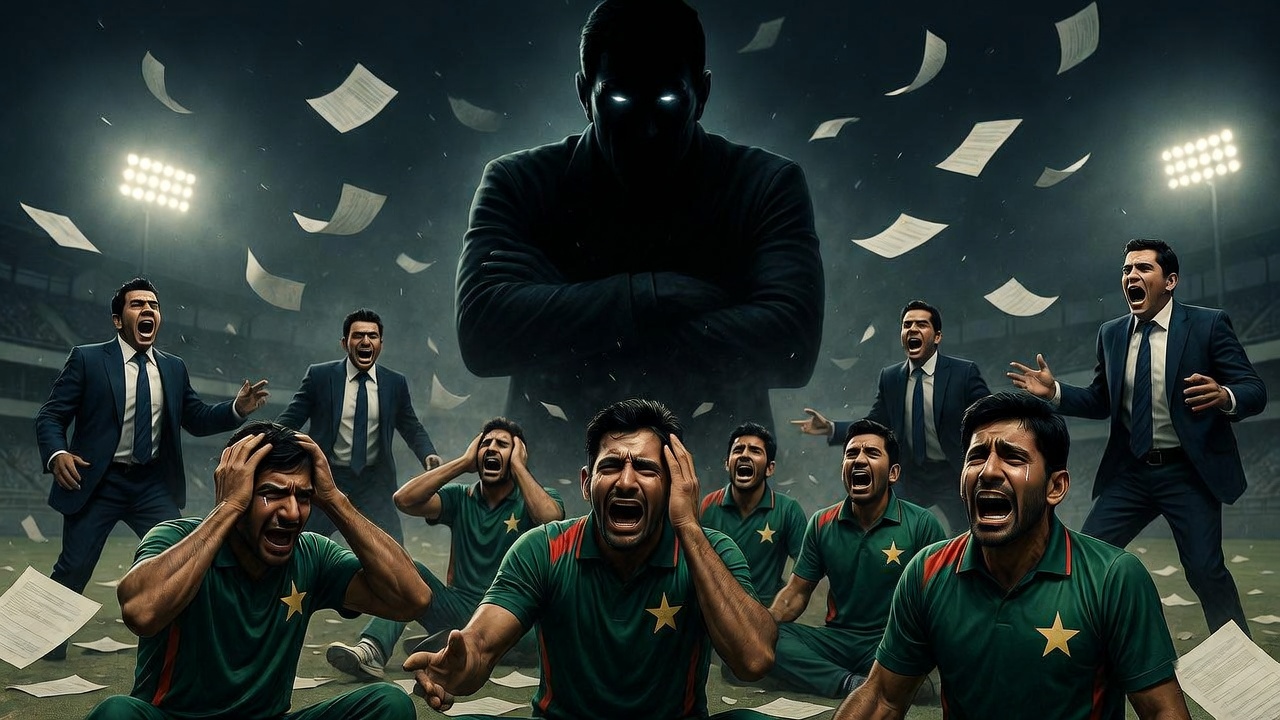
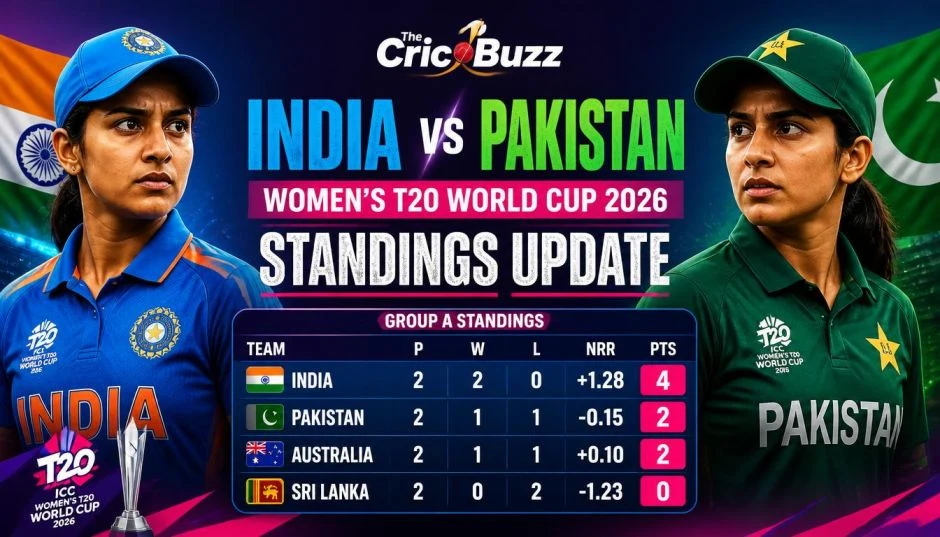
The decision by the Pakistani government to bar the PCB from taking the field against India isn't just a political statement; it is a catastrophic financial blunder. For a board that is already struggling with liquidity, this move effectively cuts off the oxygen supply to the game in Pakistan.
1. The "Billion-Dollar" Revenue Void
The India-Pakistan rivalry is the single most lucrative asset in the ICC’s portfolio. Estimates for the 2026 T20 World Cup suggest that a single IND-PAK fixture generates upwards of $250 million (approx. ₹2,200 crore) in total commercial value, including broadcasting rights and ad revenue.
- The Contrast: While India’s cricket economy is robust enough to thrive on domestic leagues and bilateral tours, Pakistan’s annual revenue is a modest $35.5 million.
- The Result: Losing the commercial backing of an India-centric broadcaster like JioStar (which holds a $3 billion deal with ICC) could lead to a massive reduction in the PCB's share of global revenue.
2. ICC Penalties: The $38 Million Lawsuit
The ICC has moved beyond warnings. Reports indicate that the global body is prepared to withhold Pakistan’s entire annual revenue share (roughly $38 million) to compensate broadcasters for the loss of prime-time advertising slots.
- No Force Majeure: Unlike natural disasters or security threats, a government-mandated boycott is a breach of the Member Participation Agreement (MPA).
- PSL in Jeopardy: If the ICC imposes sanctions, foreign boards may refuse to grant No Objection Certificates (NOCs) to their players for the Pakistan Super League (PSL), stripping the league of its global appeal and local sponsors.
3. Historical Precedent: The Price of Isolation
History shows that isolation is the precursor to decay. After the 2009 attacks in Lahore, Pakistan cricket spent a decade in the "wilderness," playing home games in the UAE.
- Infrastructure Rot: The PCB recently spent 18 billion PKR on upgrading stadiums in Lahore, Karachi, and Rawalpindi for the 2025 Champions Trophy.
- The India Factor: Without the hosting fees and the "Big Match" revenues that India brings to the table, these stadiums risk becoming white elephants. India’s refusal to travel to Pakistan for the Champions Trophy already forced a hybrid model; by choosing to boycott in return, Pakistan has lost its leverage and its "moral" high ground.
4. Competitive Irrelevance
While India has evolved into a multi-format powerhouse with a deep talent pool, Pakistan’s performance has been erratic. By avoiding India, they aren't just losing money—they are losing the "Identity of Rivalry" that keeps their sponsors interested. As Aakash Chopra recently noted, Pakistan’s global relevance is largely tethered to the Ind-Pak clash. Without it, they are just another mid-tier team struggling for airtime.
The Verdict: A Masterclass in Self-Sabotage
While India remains the undisputed "Pied Piper" of the cricketing world, ensuring the sport's survival through its massive market, Pakistan is choosing a path of selective participation that the ICC cannot ignore.
"Pakistan is effectively choosing a political headline over the electricity bill for the Gaddafi Stadium."
References for the Record:
- ICC Revenue Cycle (2024-27): PCB’s projected share of $144 million is now at risk of being docked or frozen.
- Broadcaster Litigation: Estimates suggest a $38 million legal claim from host broadcasters if the February 15 match is skipped.
- Annual Budget: PCB’s operational expenses for 700+ employees and domestic circuit subsidies far exceed their current non-ICC earnings.
Pakistan’s cricket ecosystem is a house of cards built on ICC disbursements and PSL sponsorships. By pulling the India card, they’ve ensured the whole structure comes crashing down.