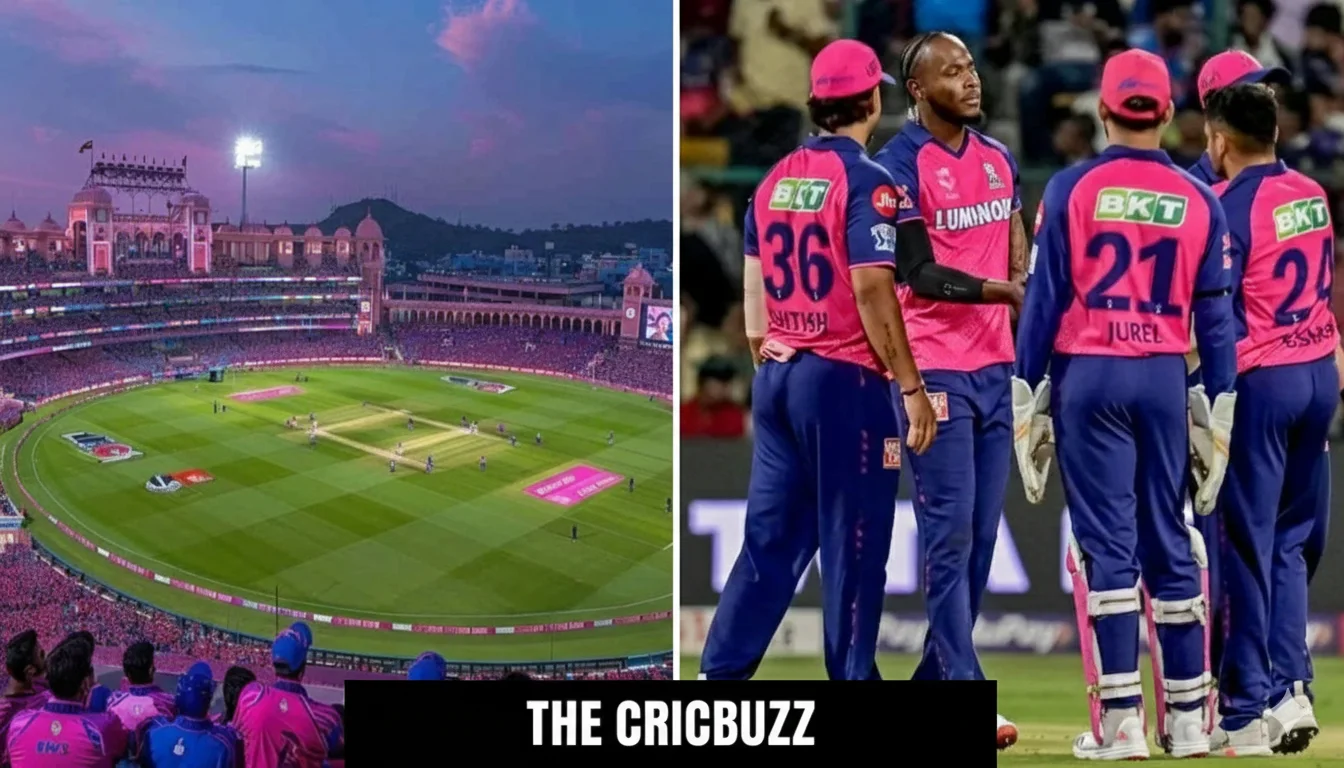
The pink city of Jaipur, home to the Rajasthan Royals (RR) since the inception of the Indian Premier League in 2008, has recently been the center of a swirling "home ground" controversy. After months of speculation regarding a potential move to Pune or Indore, recent developments suggest that the Royals are likely to remain at the iconic Sawai Mansingh (SMS) Stadium for the 2026 season—but this stay comes with a stringent set of conditions.
The tug-of-war between the franchise and the Rajasthan Cricket Association (RCA) has reached a critical juncture. For fans in Jaipur, the possibility of losing their team was a looming shadow; however, a roadmap for reconciliation is finally on the table.
The Genesis of the Conflict: Why RR Considered Leaving
To understand the current "conditions" for staying, one must look at the fractured relationship between the team and the state association. Tensions boiled over during the 2025 season due to several factors:
-
Match-Fixing Allegations: An official from the RCA ad-hoc committee leveled serious, unsubstantiated allegations against the team following narrow losses. The Royals management reacted strongly, demanding a formal apology and disciplinary action.
-
Infrastructure Issues: The franchise expressed dissatisfaction with the aging facilities at the SMS Stadium, citing a need for better hospitality boxes, improved drainage, and modern spectator amenities.
-
Governance Vacuum: The RCA has been managed by a government-appointed ad-hoc committee for over two years. The BCCI has a strict policy that state associations must have an elected body to host international or IPL-level matches.
The Three "Conditions" for Jaipur to Remain the Home Base
The BCCI and the Rajasthan Royals management have reportedly laid down specific prerequisites for the Sawai Mansingh Stadium to be confirmed as the primary home venue for IPL 2026.
1. Mandatory RCA Elections
The most significant hurdle is the lack of a democratically elected body within the Rajasthan Cricket Association. The BCCI has issued a "stern warning" that no matches will be sanctioned in Jaipur until elections are held and the ad-hoc committee is replaced by a formal executive board. This is a non-negotiable compliance requirement for all state units under the BCCI umbrella.
2. Structural and Facility Upgrades
The RCA has recently assured the BCCI that all necessary infrastructure upgrades will be completed before the IPL 2026 window. This includes:
-
Upgrading the floodlight systems to meet high-definition broadcasting standards.
-
Renovating the player dressing rooms and the media center.
-
Ensuring the stadium meets the latest safety protocols to avoid incidents similar to the stampede seen at other venues last year.
3. Administrative Cooperation and "Pass" Regulation
A perennial issue in Jaipur has been the distribution of complimentary passes and the interference of local authorities in match-day logistics. The Royals management has sought a "hassle-free" environment where the franchise has greater control over stadium operations, ticketing, and security without the historical friction that has plagued previous seasons.
The Role of State Government Intervention
In a significant turn of events, the Chief Minister of Rajasthan has reportedly stepped in to mediate. Recognizing the cultural and economic importance of the Rajasthan Royals to the state, the government has directed the RCA and the Sports Council to facilitate the necessary changes.
The RCA's ad-hoc committee, led by Deendayal Kumawat, has since adopted a more conciliatory tone. They have officially barred the member responsible for the previous match-fixing allegations and have invited the Royals management for a collaborative review of the stadium's readiness.
The "Plan B": Pune and Guwahati
While Jaipur remains the priority, the Royals have done their due diligence on alternative homes. The MCA Stadium in Pune was heavily scouted, and the franchise even conducted a technical assessment of the pitch and logistics there.
Furthermore, the Barsapara Stadium in Guwahati remains a confirmed "second home." Even if the Jaipur deal is fully finalized, it is expected that 2 or 3 home games will still be played in the Northeast to continue nurturing the team's growing fanbase in that region.
What This Means for the Fans and the Squad
For the fans, the retention of Jaipur as the home base is a massive win. The "Halla Bol" spirit is deeply tied to the SMS Stadium, where the pitch historically favors the Royals' spin-heavy or tactical bowling attacks.
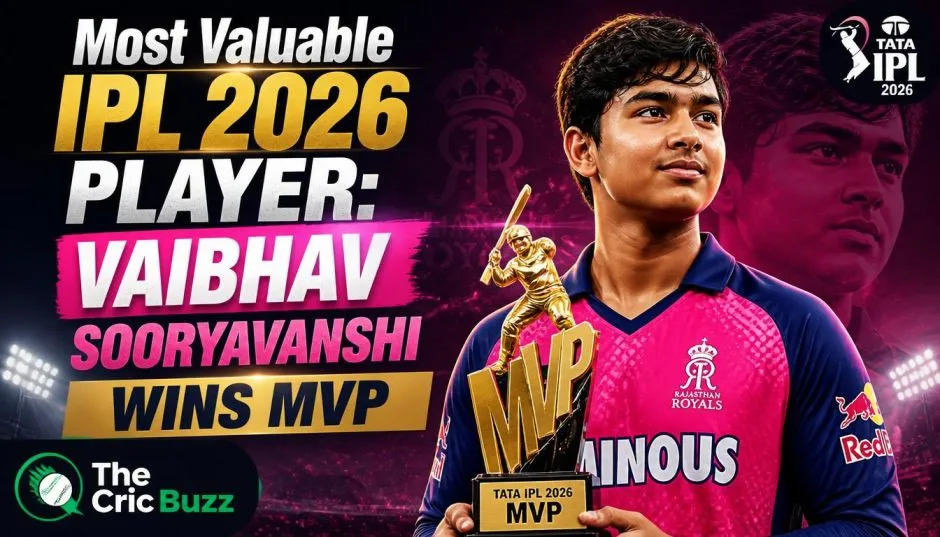
From a squad perspective, staying in Jaipur provides much-needed stability. With Yashasvi Jaiswal and Dhruv Jurel emerging as the new core of the leadership group following the historic trade of Sanju Samson to CSK, having a familiar fortress is vital for their 2026 campaign.
| Feature |
Sawai Mansingh Stadium (Jaipur) |
MCA Stadium (Pune) |
| Status |
Primary Home (Conditional) |
Backup / Alternative |
| Fan Support |
Iconic "Pink City" Loyalty |
Neutral Venue |
| Pitch Type |
Large Outfield, Spin Friendly |
Batting Friendly, True Bounce |
| Major Hurdle |
Governance (Elections) |
Availability (Shared with RCB?) |
Conclusion: The Ball is in the RCA's Court
The Rajasthan Royals have made it clear: they want to stay in Jaipur, but not at the cost of professional standards or administrative instability. The coming months are crucial. If the RCA can conduct its elections and fulfill the infrastructure promises by the end of the year, the "Pink City" will once again echo with the chants of the Royals.
As the IPL 2026 season approaches, the focus remains on whether the state's cricketing body can get its house in order in time to save its most prized sporting asset.