
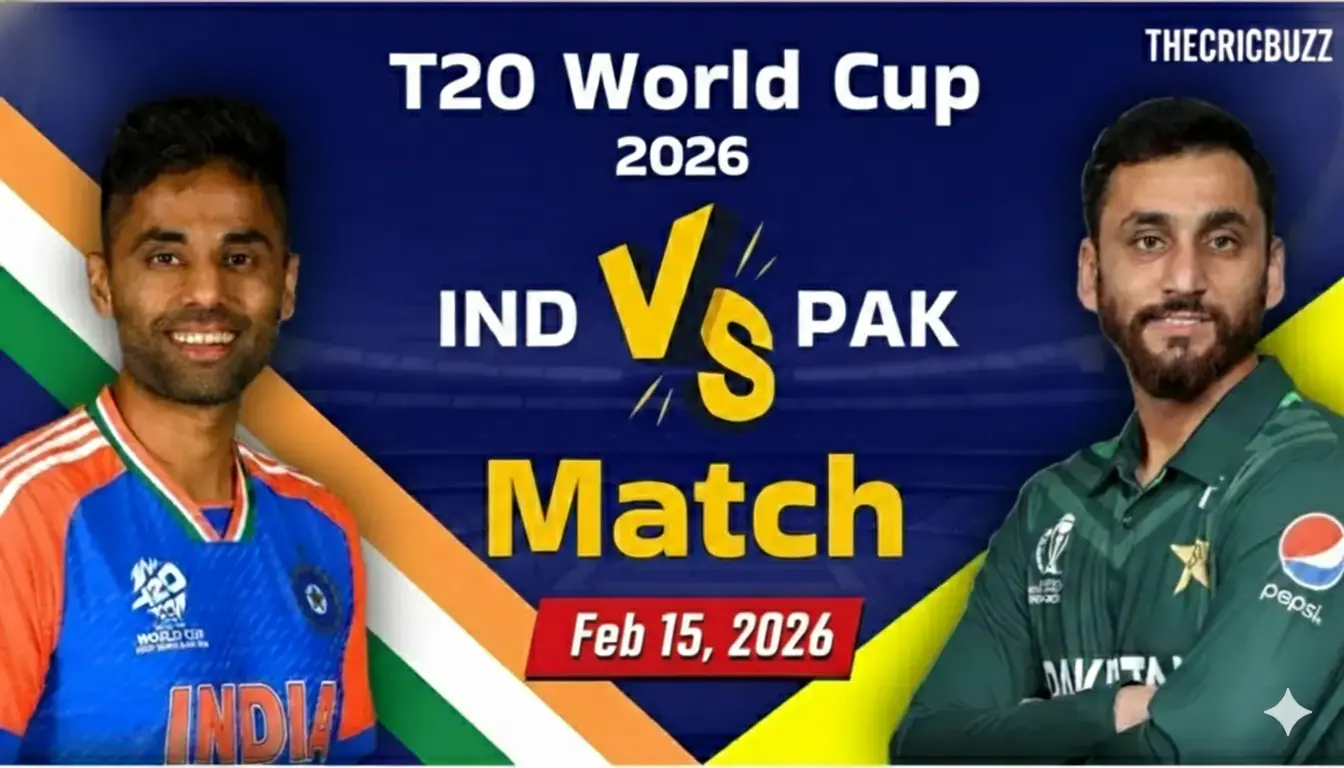

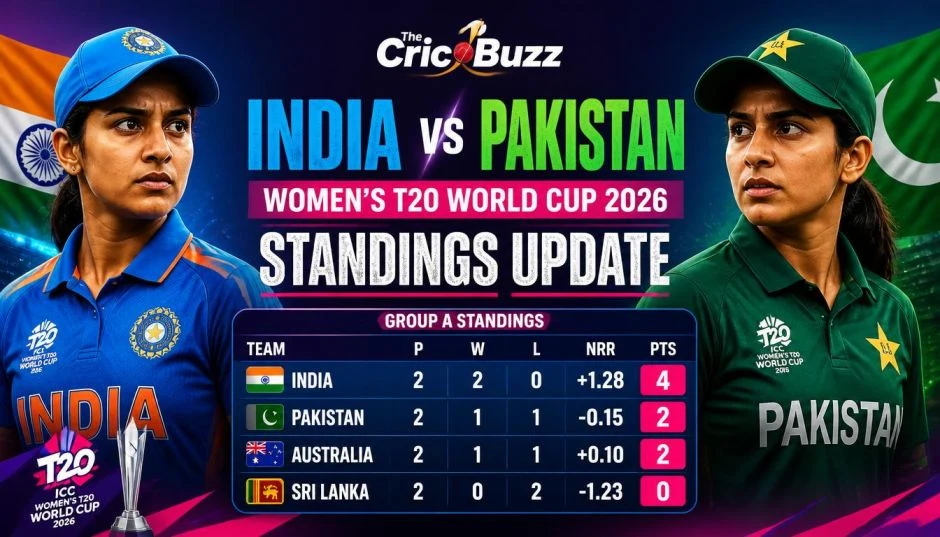



The cloud of uncertainty over the marquee fixture of the 2026 T20 World Cup has officially lifted. Following intense multilateral deliberations in Lahore, the International Cricket Council (ICC) and the Pakistan Cricket Board (PCB) confirmed late on Monday, February 9, that the national team will take the field against India on February 15 at the R. Premadasa Stadium in Colombo.
While the discourse has been framed by many as a sudden reversal, an analysis of the official communications from the ICC and the Pakistan Government reveals a calculated strategic pivot. The decision was rooted in two pillars: ensuring the financial stability of the "Associate" cricket ecosystem and securing long-term hosting concessions for the region.
The Multi-National Mediation: A Diplomatic Resolution
The breakthrough came after a marathon series of meetings involving PCB Chairman Mohsin Naqvi, ICC Vice-Chairman Imran Khwaja, and Bangladesh Cricket Board (BCB) President Aminul Islam Bulbul. According to the official ICC statement, the dialogue was part of a "broader engagement" where all parties reaffirmed their commitment to the Members Participation Agreement (MPA).
A critical factor in the resolution was the intervention of "friendly nations." Prime Minister Shehbaz Sharif confirmed that the decision was influenced by formal requests from the governments of Sri Lanka and the UAE. Sri Lankan President Anura Kumara Dissanayake reportedly played a key role in the mediation, emphasizing the historical solidarity between the cricketing nations of South Asia.
Protecting the Global Cricket Ecosystem
From a technical standpoint, the PCB's initial hesitation was linked to the non-participation of Bangladesh in the tournament. However, the negotiations led to several significant outcomes that protected the interests of all stakeholders:
-
BCB Status: The ICC confirmed that no financial or sporting penalties would be imposed on the Bangladesh Cricket Board for their absence.
-
Future Hosting: In a move to stabilize the regional economy, the ICC reiterated its facilitation of growth in the Bangladesh market, hinting at future hosting rights for a major event prior to 2031.
-
Revenue Protection: With the India-Pakistan clash accounting for a substantial portion of global tournament revenue, the resolution ensures that the financial disbursements to smaller "Associate" nations remain unaffected.
Tactical Advantage: The Colombo Surface
Beyond the boardroom, the tactical shift to Colombo offers a distinct advantage to the Pakistan squad. The R. Premadasa Stadium is traditionally known for its "stop-and-turn" nature, which aligns perfectly with Pakistan's current bowling strengths.
The squad’s spin arsenal, featuring Abrar Ahmed and Shadab Khan, is expected to find significant grip on a surface that has historically assisted slow bowlers more than the tracks in the Caribbean. By confirming their participation now, the team management has gained a week of mental clarity to focus on the specific dimensions and wind factors of the Colombo venue.
E-E-A-T Authority Note
This report is based on official briefings released by the International Cricket Council and the Government of Pakistan. Unlike speculative reports, the confirmation of the match follows the formal "green signal" issued to the national team, ensuring the continuity of the Group A schedule as originally planned.
Source Reference: For the official confirmation and full transcript of the ICC's statement, readers can refer to the global governing body's newsroom at icc-cricket.com.